What You Need to Know to Stay Strong and Independent
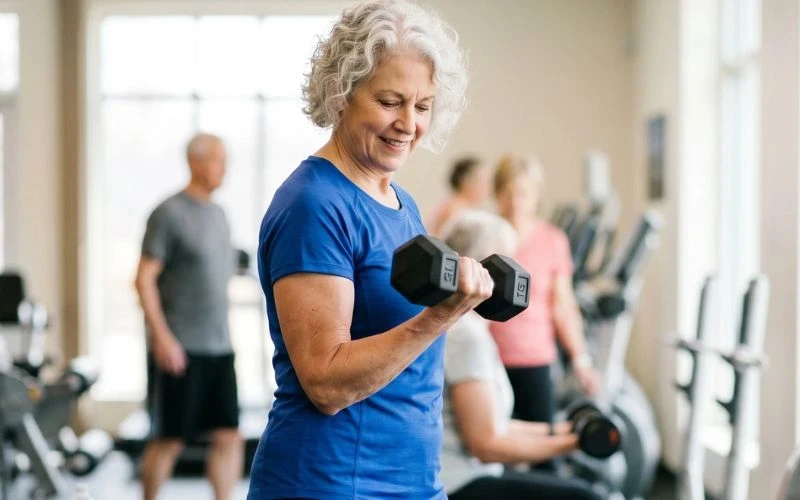
Getting older brings many changes, but one of the biggest surprises for many people is muscle loss after 60. Tasks that once felt easy—carrying groceries, climbing stairs, getting up from a chair, or even opening jars—may suddenly seem harder. The good news is that muscle loss is not something you simply have to accept. With the right habits, many older adults can slow it down, maintain strength, and even rebuild muscle well into their 60s, 70s, and beyond.
Health experts call age-related muscle loss sarcopenia. It happens naturally as we age, but lifestyle choices such as staying active, eating enough protein, and doing strength exercises can make a huge difference.
What Causes Muscle Loss as We Age?
Muscle loss does not suddenly begin at 60. Research shows that adults begin gradually losing muscle mass as early as their 30s. By the time people reach their 60s and 70s, the process often speeds up. (medicalnewstoday.com)
Several changes happen in the body as we age. Many people naturally become less active, especially after retirement or health issues slow them down. Hormone levels also change over time, and the body becomes less efficient at repairing and rebuilding muscle tissue.

Protein and Muscle Mass
Eating habits may shift as well, and some older adults simply do not eat enough protein to support healthy muscles. A 2018 study found that those who ate the highest amounts of protein were 30% less likely to experience functional impairment than those who ate the least amount.
High sources of protein include:
- lean meat and poultry
- eggs
- seafood
- beans and legumes
- nuts
- soy products, such as tofu
Chronic conditions such as arthritis, diabetes, or heart disease can also make physical activity more difficult. The less we move, the more muscle strength we tend to lose. Unfortunately, it can become a cycle—weak muscles make activity harder, and less activity leads to even more weakness.
Why Muscle Loss After 60 Matters
Muscle Is About More Than Appearance
When people think about muscle, they often picture athletes or bodybuilders. But for older adults, muscle is really about independence and quality of life. Strong muscles help you stay steady on your feet, protect your joints, and make everyday activities easier.
Without enough muscle strength, simple tasks can become exhausting. Walking longer distances, climbing stairs, carrying groceries, or getting up from a chair may require more effort than they once did. Over time, reduced muscle strength can increase the risk of falls and injuries, which is why maintaining muscle is so important as we age. (my.clevelandclinic.org)
Many people do not notice muscle loss right away because it tends to happen slowly. You may simply feel more tired during daily activities or notice that you avoid certain tasks because they seem harder than before.

Signs You May Be Losing Muscle
The signs of muscle loss are often subtle at first. You might notice that lifting everyday items feels more difficult or that you tire more easily during activities you once handled comfortably. Some people begin walking more slowly or feel less steady on their feet.
Others notice changes when getting out of low chairs or climbing stairs. Arms and legs may appear thinner over time, and balance may not feel as reliable as it once did. These changes are common with aging, but they should not be ignored.
If weakness becomes more noticeable or starts interfering with daily life, it is a good idea to talk with your doctor. Sometimes muscle weakness can also be linked to medication side effects, poor nutrition, or underlying health conditions.
Can You Build Muscle After 60?
Absolutely.
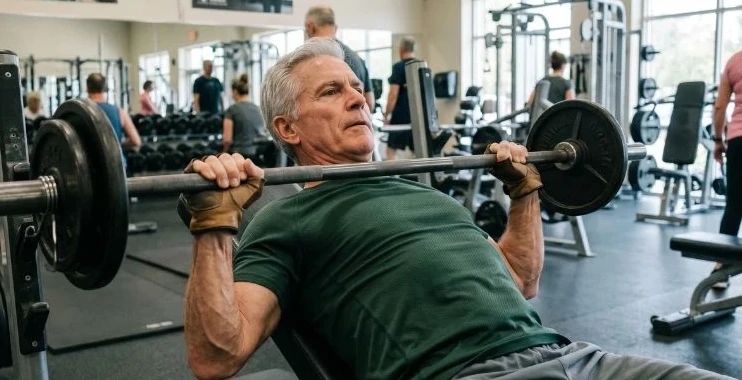
One of the most encouraging discoveries in aging research is that older adults can still build strength and muscle through regular exercise and healthy eating habits. (medicalnewstoday.com)
You do not need to spend hours in a gym or lift extremely heavy weights to see results. In fact, many older adults improve their strength with simple, consistent exercises done a few times each week. Even small improvements in muscle strength can make daily life easier and help improve confidence and mobility.
The important thing is consistency. Gentle exercises performed regularly are usually more helpful than intense workouts done occasionally.
Best Exercises to Prevent Muscle Loss After 60
Strength Training
Strength training is one of the best ways to slow muscle loss after 60. This may sound intimidating at first, but it really just means using resistance to challenge your muscles.
Some people use resistance bands or light dumbbells, while others prefer body weight exercises such as chair squats or wall push-ups. Even gardening, climbing stairs, or using a mini trampoline can help keep muscles active.
Experts recommend strength training at least twice a week because muscles respond well to regular use. (verywellhealth.com)
The key is to start slowly and choose exercises that feel manageable. Over time, your strength and confidence often improve together.
Ad
Resistance Bands for 5 fitness levels
Neoprene Dumbbell Hand Weights – 6 dumbbells with rack
Mini Trampoline – BCAN 500 lb capacity – soft land – bungee – mini trampoline
This post contains affiliate links. If you click on and purchase through one of those links, you won’t pay a penny more, but we’ll get a small commission, which helps keep our website operating. Thanks! As an Amazon Associate, I earn from qualifying purchases.
Walking and Daily Movement
Walking remains one of the best forms of exercise for older adults. It is gentle on the joints, improves circulation, and helps maintain mobility and endurance.
Daily movement is just as important as formal exercise. Long periods of sitting can contribute to muscle weakness, so simple habits such as stretching, walking around the house, doing light chores, or working in the garden can all help keep muscles active.
Balance Exercises
Balance exercises become especially important after 60 because they help reduce the risk of falls. Activities such as tai chi, gentle yoga, or simply standing on one foot while holding onto a chair can improve stability over time.
Research suggests that combining balance exercises with strength training can be especially beneficial for healthy aging.
Protein: An Important Part of Healthy Aging
Exercise is only part of the picture. Nutrition also plays a major role in maintaining muscle as we age.
As the body gets older, it becomes less efficient at using protein to repair and build muscle tissue. Because of this, many experts recommend that older adults pay closer attention to getting enough protein throughout the day. (verywellhealth.com)
Good sources of protein include eggs, fish, chicken, Greek yogurt, beans, lentils, cottage cheese, and nuts. Some people also find protein smoothies helpful, especially if appetite becomes smaller with age.
Instead of eating most of your protein at dinner, it may help to include some protein with each meal. This gives the body a steadier supply of nutrients to support muscle health. (verywellhealth.com)
If you have kidney disease or another medical condition, check with your healthcare provider before making major dietary changes.
Healthy Habits That Support Muscle Strength
Healthy aging is often about small daily habits rather than dramatic changes. Staying active throughout the day, getting enough sleep, and eating balanced meals all support muscle health.
Sleep is especially important because the body repairs and rebuilds tissue while we rest. Poor sleep may leave you feeling weaker and more fatigued during the day.
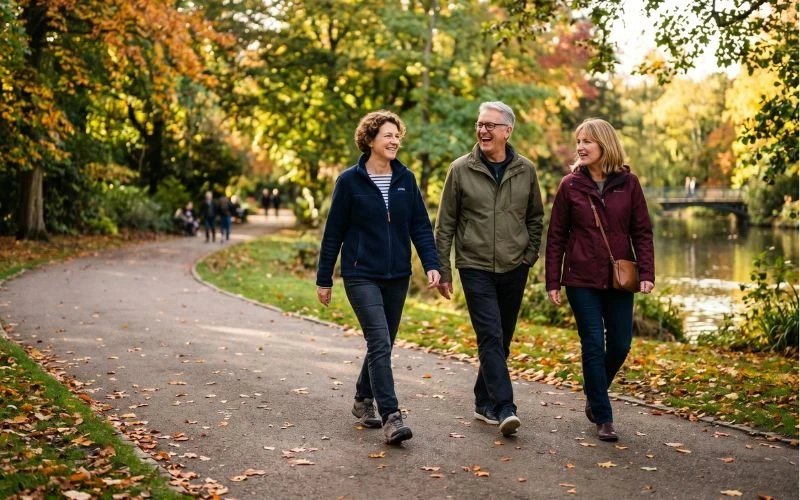
Social activities can help as well. Many people find it easier to stay motivated when exercising with friends, joining a walking group, or attending a fitness class designed for older adults.
It is also important to avoid extreme dieting. Rapid weight loss may lead to additional muscle loss, which can make weakness worse instead of better.
When to Talk to Your Doctor
Some muscle loss is a normal part of aging, but sudden weakness or major changes should always be discussed with a healthcare professional.
If you notice frequent falls, unexplained weight loss, severe fatigue, or increasing difficulty walking, your doctor may recommend further evaluation. In some cases, physical therapy or a supervised exercise program can help improve strength and balance safely.
Your doctor may also check for vitamin deficiencies or health conditions that could contribute to muscle weakness.
It Is Never Too Late to Get Stronger
Many people assume that weakness and frailty are unavoidable parts of getting older. Fortunately, research shows that older adults can improve strength, mobility, and quality of life at almost any age. (newsinhealth.nih.gov)
You do not have to become an athlete to benefit from exercise and healthy habits. Small steps really do add up over time. A short daily walk, a few strength training exercises each week, and better nutrition can make a noticeable difference in how you feel and move.
Can Muscle Loss After 60 Be Prevented?
Muscle loss after 60 is common, but it does not have to control your life. While aging naturally affects muscle strength and mass, regular movement, strength training, healthy eating, and good daily habits can help slow the process and even rebuild muscle. Staying strong is not just about fitness—it is about maintaining independence, confidence, balance, and the freedom to enjoy everyday life. No matter your age, it is never too late to take positive steps toward stronger muscles and healthier aging.
Disclaimer: If you have any concerns or questions about your health, you should always consult with a physician or other healthcare professional. No content on this site should be substituted for direct medical advice from your doctor or other qualified healthcare practitioner. The information contained here is for informational purposes only. It is from my research and personal experience.
Related Posts
Best Home Equipment For Healthy Aging
How Can You Prevent Muscle Loss as You Age?