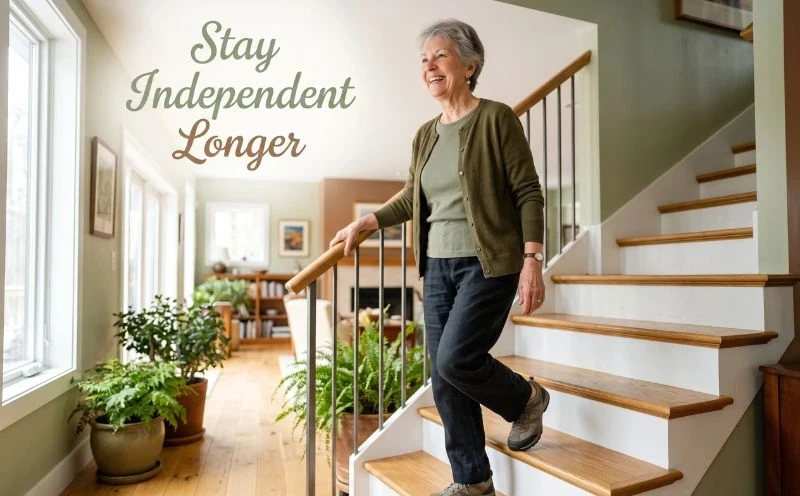
-Stay Steady, Confident, and Independent
If you’ve started feeling a little unsteady when walking, climbing stairs, or getting out of a chair, you’re not alone. Balance naturally changes over time, but the good news is that it can often be improved with regular practice and the best balance exercises for seniors over 65.
You don’t need expensive equipment or long workouts to see results. In this guide, you’ll discover simple, safe exercises that can strengthen your legs, improve stability, and help reduce your risk of falling so you can continue enjoying the activities you love.
Stay Active as You Age
Balance training for seniors is one of the most important things older adults can do to stay active and independent.
The good news is that balance can often improve with regular practice. Small, consistent movements can make a big difference in how strong and confident you feel.
Best Balance Exercises for Seniors Over 65
The best balance exercises for seniors over 65 focus on improving strength, coordination, and stability while being gentle on the joints.
Simple movements such as:
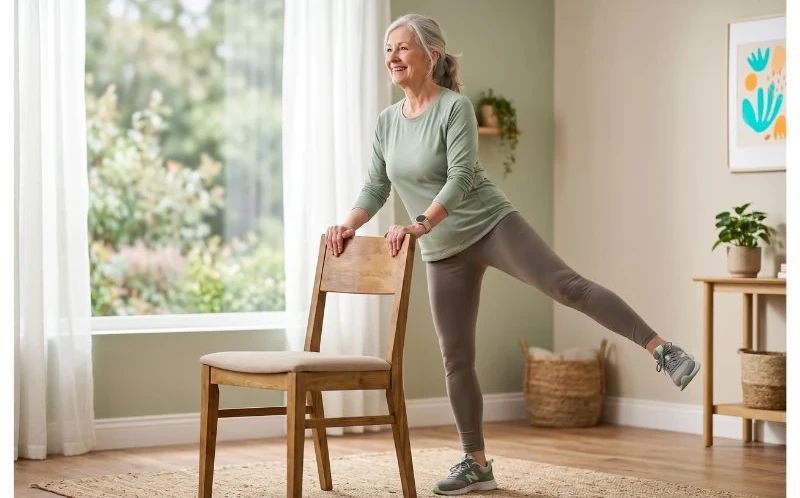
- standing on one foot while holding a sturdy chair
- walking heel-to-toe
- rising from a chair without using your hands
- practicing gentle Tai Chi
can all help improve balance over time.
The key is to start slowly, use a stable surface for support when needed, and practice consistently.
Even spending 10 to 15 minutes a few times each week can lead to noticeable improvements in confidence and mobility.
Falls Increase in Adults over 65
Many adults over 65 worry about falling, and for good reason. Falls are one of the leading causes of injury in older adults. According to the CDC, more than one in four adults over 65 experiences a fall each year. But growing older does not automatically mean losing your balance or giving up activities you enjoy. In fact, balance is something you can train and strengthen at almost any age.
Increase Your Confidence
One of the biggest benefits of better balance is confidence. When people feel unsteady, they often stop doing the things they love.
Some stop walking outdoors, gardening, traveling, or even going shopping alone because they are afraid of falling.
Unfortunately, doing less movement can actually weaken muscles and make balance worse over time. Staying active is one of the best ways to stay steady.
Why Balance Changes as We Age
Several things affect balance as we get older.
1-Muscle loss is one factor.
After age 50, adults naturally begin to lose muscle mass unless they actively work to maintain it. The legs, hips, and core muscles are especially important for stability.
2-Vision also plays a role.
Our eyes help us judge distances and notice obstacles in our path. If eyesight changes, balance may feel less reliable. Inner ear changes can affect balance too, since the inner ear helps control our sense of movement and position.
3-Even medications can make a difference.
Some prescriptions may cause dizziness or light-headedness, especially when standing up quickly. That is why health experts recommend talking with a doctor or pharmacist if you notice balance problems.
The encouraging news is that the body responds well to movement and exercise. Research consistently shows that strength and balance exercises can lower the risk of falls and improve stability in older adults.
Balance Training for Seniors Does Not Have to Be Complicated
When people hear the words “balance training,” they sometimes picture difficult exercises or fitness classes designed for younger adults. But balance work can actually be very simple and gentle.
If you’re looking to add a gentle challenge to your routine, a foambalance pad can help improve stability while being easier on the joints than standing on a hard floor.
This post contains affiliate links. If you click on and purchase through one of those links, you won’t pay a penny more, but we’ll get a small commission, which helps keep our website operating. Thanks! As an Amazon Associate, I earn from qualifying purchases.
Ad
Non-Slip Balance Pad – Stability Trainer
This balance pad is perfect for all your workouts! Great for balance, physical therapy, stretching and core training.
2-in-1 Professional Wooden Balance Board & Slant Board
This balance board is perfect for stretching and working on stability. A great tool for anyone!
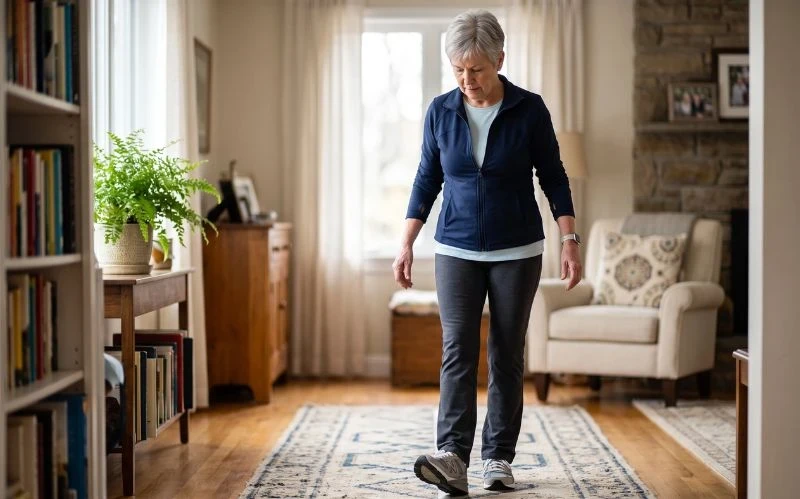
Other Basic Exercises for Balance
Something as basic as
1-Standing on one foot while holding the kitchen counter can help challenge the body in a safe way.
2-Walking heel-to-toe down a hallway helps improve coordination.
3-Sitting and standing from a sturdy chair strengthens the legs, which are essential for balance.
Tai Chi
Tai Chi is another excellent option for older adults. This slow-moving form of exercise improves body awareness, coordination, and stability. Many seniors enjoy it because the movements are smooth, low-impact, and relaxing.
Walking
Walking is helpful too. While walking alone is not considered full balance training, it strengthens muscles and keeps the body moving. Walking outdoors on safe, even surfaces can gently challenge balance in everyday situations.
One important thing to remember is that balance exercises should feel safe, not frightening. It is perfectly fine to hold onto a chair, countertop, or sturdy railing while practicing. Safety always comes first.
If you enjoy walking outdoors but want a little more confidence, adjustable walking poles can provide extra support while helping improve balance and coordination.
Simple Everyday Habits Improve Balance
Good balance is not only about exercise. Everyday habits also make a difference.
1-Supportive Shoes
Wearing supportive shoes can help more than many people realize. Loose slippers or shoes with slippery soles increase the risk of tripping. Supportive footwear with good grip can make walking feel steadier and safer.
Non-slip soles on supportive shoes can make a noticeable difference in stability, especially on hard floors or uneven sidewalks.
2-Well-Lit and Clutter-Free
Keeping the home free from clutter is another important step. Loose rugs, electrical cords, and poor lighting are common causes of falls. Adding brighter lights and keeping pathways clear can help prevent accidents.
3-Water
Hydration matters too. Some older adults feel dizzy simply because they are dehydrated. Drinking enough water throughout the day supports circulation and energy levels.
4-Sleep Is Important
Sleep also plays a role in balance. When people are tired, reaction times slow down and coordination may suffer. Getting adequate rest helps the body function at its best.
Strength and Balance Work Together
Balance and strength go hand in hand. Weak leg muscles make it harder to react quickly if you stumble or lose footing. Stronger muscles help the body stay upright and recover more easily.
Exercises that strengthen the legs and core are especially helpful.
- Chair squats
- Stepping up and down on the bottom stair of your staircase
- Resistance band exercises
- can all improve stability over time.
The key is consistency rather than intensity.
Light resistance bands are an inexpensive way to strengthen the muscles that support better balance. They’re easy to use at home and don’t take up much space.
Many older adults notice improvements gradually. In time:
- Getting out of a chair becomes easier.
- Climbing stairs feels less tiring.
- You feel more confident walking outdoors.
You do not have to exercise for hours every day to see benefits. Even 10 to 20 minutes several times a week can help improve balance and mobility.
The CDC recommends that adults over 65 include balance activities as part of their weekly routine.
These small improvements add up and can greatly improve quality of life.
Once your balance improves, a quality rebounder with a stability bar can be another gentle way to build strength, coordination, and cardiovascular fitness. The stability bar provides extra support while you exercise.
Ad
Cellerciser® Banner

Start Slowly and Build Confidence
If you have not exercised in a while, it is important to start with the basics. There is no prize for doing too much too soon. In fact, beginning slowly is often the smartest approach.
Try practicing one or two balance exercises near a sturdy support. Spend just a few minutes at first. As confidence grows, exercises can become slightly more challenging.
It can also help to make balance exercises part of your daily routine. Some people practice while waiting for the kettle to boil or while brushing their teeth. Turning exercise into a habit makes it easier to stay consistent.
If you have serious balance concerns, dizziness, or a history of falls, it is wise to talk with a healthcare provider or physical therapist before beginning a new exercise routine. They can recommend exercises that fit your abilities and needs.
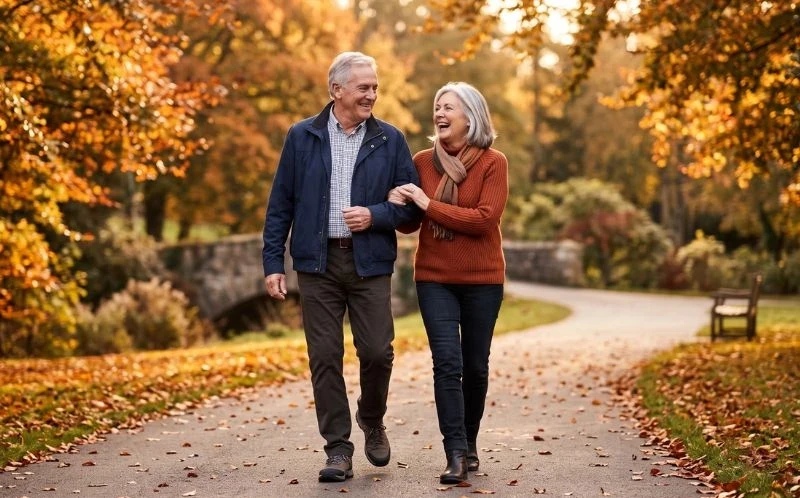
Staying Independent Longer
One of the greatest benefits of improving balance is maintaining independence. Most older adults want to continue living in their own homes, doing their own shopping, visiting family, and enjoying hobbies. Good balance helps you maintain all of these activities.
Good balance can also reduce fear. Many people become anxious after a fall or near-fall experience. That fear sometimes causes them to move less, which weakens the body further. Gentle movement and balance exercises can help rebuild both physical strength and confidence.
The goal is not perfection. Everyone wobbles occasionally, regardless of age. The goal is to stay as strong, mobile, and confident as possible so daily life feels easier and safer.
The Best Balance Exercises for Seniors
It doesn’t have to be difficult to be effective. With a few minutes of practice several times a week, you can strengthen the muscles that keep you steady, improve your coordination, and lower your risk of falls.
Remember, every small step counts. The best balance exercises for seniors over 65 can become part of your regular routine. You are investing in your health, your confidence, and your independence. It’s never too late to improve your balance and enjoy a more active, fulfilling life.
Small daily movements and consistent practice can lead to meaningful improvements over time.
No matter your age, it is never too late to work on balance. A few minutes of gentle movement today can help you stay active, independent, and steady for years to come.
Sources
- Centers for Disease Control and Prevention – Older Adult Fall Prevention
- Johns Hopkins Medicine – Fall Prevention Exercises for Older Adults
- CDC – Physical Activity Guidelines for Older Adults
Disclaimer: If you have any concerns or questions about your health, you should always consult with a physician or other healthcare professional. No content on this site should be substituted for direct medical advice from your doctor or other qualified healthcare practitioner. The information contained here is for informational purposes only. It is from my research and personal experience.
Related Posts
Resistance Bands: Versatile and Effective