When we talk about aging well, the real issue isn’t just how long we live — it’s how well we live. The conversation around Health Span vs LifeSpan is becoming more important every year, especially for those of us who want to stay strong, independent, and capable as we age.
Living to 85 or 90 is a blessing. But being able to move well, think clearly, and care for yourself during those years? That’s the goal.
Health Span vs Life Span
Life span is simply the number of years you’re alive. Health span, on the other hand, is the number of those years you live in good health — free from chronic disease, serious disability, or loss of independence. And that difference matters more than most people realize.
We’ve done an excellent job increasing life expectancy over the past century. Medical care has improved. Emergency treatments save lives every day. But modern living has also introduced new challenges — more sitting, more processed food, more stress, less sleep. As a result, many people are living longer but spending their final decade or two managing preventable conditions.
That’s where health span comes in.
Understanding Health Span vs. Life Span
When you truly understand the difference between health span and life span, your priorities begin to shift. Instead of asking, “How long will I live?” you start asking, “How strong and capable will I be at 75? At 85?”
Genetics certainly play a role in how long we live. But research consistently shows that lifestyle choices have enormous influence over how well we live. Muscle mass, metabolic health, balance, sleep quality, and stress levels are not random. They respond to daily habits.
Lifestyle Choices
In fact, many of the biggest threats to independence later in life — frailty, falls, insulin resistance, cognitive decline — are closely tied to lifestyle patterns developed over decades. The encouraging news is this: it is never too late to improve those patterns.
Health span is not about perfection. It’s about consistent choices that preserve strength and resilience.
Health Span vs Life Span: What Really Makes the Difference
When researchers study populations known for longevity, they consistently find something interesting. It isn’t extreme dieting or punishing workouts that extend healthy years. It’s steady, sustainable habits practiced over time.
Keep Your Muscles Strong to Support Healthy Aging
Maintaining muscle is one of the most important factors in extending health span. After age 50, muscle loss accelerates if we do nothing to counteract it. That loss affects metabolism, balance, and even blood sugar regulation. Strength training doesn’t have to mean heavy barbells in a gym. Resistance bands, light dumbbells, bodyweight exercises, or even controlled rebounding can stimulate muscle and protect independence.
Choose Foods That Help Maintain Muscle and Metabolic Health
Nutrition also plays a central role. As we age, protein becomes even more important. Many older adults simply do not eat enough to maintain muscle. Whole foods — vegetables, fruits, quality proteins, healthy fats — support metabolic health and reduce inflammation. Ultra-processed foods, on the other hand, quietly work against long-term vitality.
Protect Your Health Span by Getting Good Quality Sleep
Sleep is another overlooked pillar. Chronic sleep deprivation increases inflammation, impairs blood sugar control, and affects cognitive clarity. Protecting sleep is one of the simplest ways to extend health span, yet it is often sacrificed first.
Manage Daily Stress to Support Long-Term Well-Being
Stress matters more than most people think. Chronic stress elevates cortisol, which impacts belly fat, immune function, and brain health. Gentle daily practices like walking, prayer, quiet reflection, or deep breathing help regulate that stress response and protect long-term health.
Stay Socially Connected to Support Physical and Mental Health
And then there’s connection. Social isolation is strongly linked to higher rates of heart disease and cognitive decline. Regular interaction — whether through church, volunteer work, fitness groups, or family gatherings — strengthens more than just emotional well-being. It protects physical health too.
All of these factors work together. Health span is built through patterns, not single decisions.
9 Ways to Boost Your Health Span: Practical, Real-Life Strategies
Improving your health span does not require drastic measures. It requires intention.
1-Build and Maintain Muscle Strength
Start with strength. If you are not currently strength training at least twice per week, that is one of the most impactful changes you can make. Strong muscles support strong bones, stable joints, and better balance. They also help regulate blood sugar and maintain metabolism.
2-Move a Little More Each Day
Next, evaluate your daily movement. Walking is excellent and should absolutely be part of your routine. But adding balance exercises and flexibility work can significantly reduce fall risk. Even standing on one foot while brushing your teeth helps train stability.
3-Choose Foods That Help Keep Your Body Strong
Nutrition deserves honest attention. Focus on adding nourishing foods rather than obsessing over restriction. Aim for adequate protein at each meal. Include colorful vegetables. Choose healthy fats. Small upgrades consistently applied create meaningful change.
4- Support Your Health Span with Regular Checkups
Preventive care should not be neglected. Regular screenings allow you to catch small issues before they become major ones. Blood pressure, blood sugar, lipid panels, and bone density scans are not just medical formalities — they are tools that support long-term independence.
5-Make Good Sleep a Daily Priority
Protect your sleep as if it were medicine. Establish a consistent bedtime. Reduce screen exposure in the evening. Keep your bedroom cool and dark. Deep sleep is when repair occurs.
6-Make Stress Management a Daily Practice
Make stress management a daily habit rather than an emergency response. Morning movement, time outdoors, gratitude practices, or prayer create resilience over time.
7-Challenge Your Brain Regularly
Keep your brain engaged. Learning new skills, reading regularly, or trying unfamiliar activities stimulates neural connections and protects cognitive function. The brain thrives on challenge.
8-Use Technology to Support Healthy Habits
Use technology wisely. Fitness trackers, online workout programs, or virtual communities can provide accountability and encouragement. Technology should serve your health, not distract from it.
9-Stay Connected with the People You Care About
And perhaps most importantly, maintain meaningful relationships. Strong social ties consistently show up in longevity research. We are not designed to age in isolation.
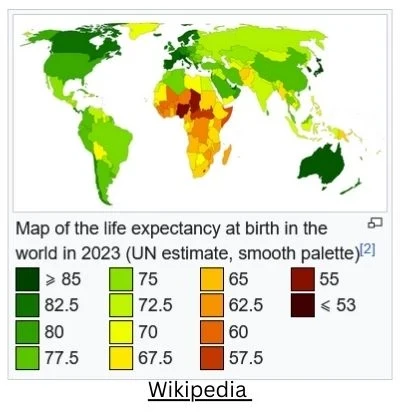
Human Life Expectancy – Globally – 2023
Planning a Long, Healthy Life with Intention
If a healthy life span is your goal, it helps to think ahead. What do you want your life to look like at 80? Do you want to travel? Garden? Play with grandchildren? Volunteer? Those images can guide your daily habits.
Set realistic goals that match your current season of life. You do not need to overhaul everything at once. Choose one or two areas to strengthen. Build consistency. Then layer in additional improvements.
Tracking progress can also be motivating. Notice your strength gains. Pay attention to your energy levels. Celebrate better sleep or improved balance. These markers reflect increasing health span more than a number on the scale ever will.
Adaptability is key. Be flexible. Life brings changes. Injuries, busy seasons, or unexpected challenges will come. The goal is not rigid perfection. The goal is long-term consistency with flexibility.
FAQ: Health Span vs Life Span
1-What is the difference between health span and life span?
2-Can you really increase your health span after 60?
Yes.Muscle responds to strength training at any age. Balance can improve. Metabolic health can improve. Sleep can improve. It is never too late to build strength and resilience. Small, consistent habits make a meaningful difference over time.
3-What is the most important factor in extending health span?
Maintaining muscle mass is one of the most powerful predictors of independence and metabolic health. Strength training, adequate protein intake, quality sleep, and stress management work together to support long-term vitality.
Final Thoughts on Health Span vs Life Span
The conversation about Health Span vs Life Span really comes down to this: we don’t just want more birthdays — we want more strength in those birthdays. We want to move well, think clearly, and stay independent for as long as possible.
That doesn’t happen by accident. It happens through steady, ordinary choices made day after day. A little strength training, a little better nutrition, a little more intentional rest; those small decisions build strong decades. And that is absolutely worth the effort.
Disclaimer: If you have any concerns or questions about your health, you should always consult with a physician or other healthcare professional. No content on this site should be substituted for direct medical advice from your doctor or other qualified healthcare practitioner. The information contained here is for informational purposes only. It is from my research and personal experience.