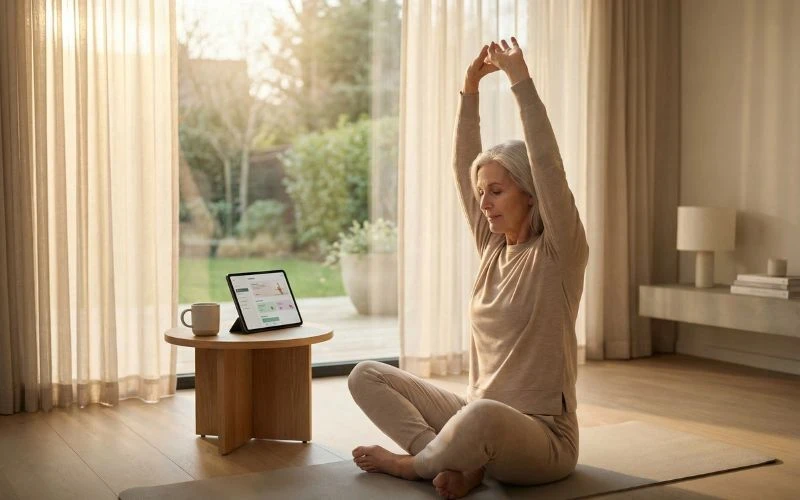
How Moving Early Helps You Rest Better at Night
If you’ve ever struggled to fall asleep or stay asleep, you’re not alone. Many adults—especially as we get older—find that sleep becomes lighter and more interrupted over time. The good news is that simple lifestyle changes can make a big difference. One powerful habit is morning exercise. Morning workouts boost sleep quality by helping your body feel more balanced, relaxed, and ready for rest when bedtime arrives.
In this post, we’ll explore why exercising earlier in the day may lead to deeper, more refreshing sleep—and how you can get started with a routine that works for your lifestyle.
Morning Workouts Boost Sleep Quality Naturally
There’s a reason so many health experts encourage movement early in the day. Morning exercise supports your body’s natural rhythms and helps you feel energized during the day and calmer at night.
When you work out in the morning, you may experience:
- Improved mood throughout the day
- More stable energy levels
- Less stress and anxiety
- Better ability to fall asleep at night
Unlike late-evening workouts, which can sometimes feel stimulating, morning movement tends to support relaxation later in the day.
Even gentle exercise can have a powerful impact. You don’t need intense workouts to see benefits—just consistency.
Why Morning Exercise Helps You Sleep Better at Night
Let’s look at the science-backed reasons morning workouts are linked with improved sleep.
Morning Light Helps Reset Your Body Clock
Your body runs on an internal schedule called the circadian rhythm, which helps regulate when you feel awake and when you feel sleepy.
Morning workouts often expose you to natural light, especially if you walk outdoors. This light signals to your brain:
- It’s time to be alert
- The day has begun
- Sleep should come later in the evening
This helps you fall asleep more easily at night and wake up feeling more refreshed.
Exercise Reduces Stress Hormones
Stress is one of the biggest sleep disruptors. When your mind feels busy or anxious, it can be hard to relax into sleep.
Morning exercise helps lower stress over time by reducing cortisol (your stress hormone) and increasing endorphins, the body’s natural “feel-good” chemicals.
This can lead to:
- A calmer mood
- Less nighttime worry
- Better emotional balance
Even a short walk can help quiet the nervous system.
Movement Helps Your Body Feel Ready for Rest
Exercise helps your body use energy throughout the day, which builds a natural need for rest at night.
In simple terms, morning activity helps you feel pleasantly tired by bedtime.
People who exercise regularly often notice they:
- Fall asleep faster
- Sleep more deeply
- Wake up less during the night
This is one reason consistent movement is so helpful for older adults.

Morning Workouts May Improve Deep Sleep
Deep sleep is the stage of sleep that supports:
- Physical repair
- Immune function
- Memory and brain health
Studies show that regular exercise may increase the amount of deep, restorative sleep you get—especially when done earlier in the day.
Best Morning Workouts for Better Sleep
You don’t need a complicated fitness plan.
The best workout is the one you’ll actually do consistently.
Here are some excellent morning exercises that support sleep and overall health.
Walking Outdoors
Walking is one of the easiest and most effective workouts for sleep.
Benefits include:
- Gentle movement for joints
- Natural sunlight exposure
- Improved circulation
- Reduced stress
Start with 10 minutes and build up gradually.
Resistance Band or Light Strength Training
Strength training in the morning helps maintain muscle and balance, especially as we age.
Simple options include:
- Chair squats
- Wall push-ups
- Resistance band rows
- Light dumbbell exercises
Strength work also supports metabolism and bone health.
Suggested Post to Read:
Resistance Bands: Versatile and Effective
Stretching or Morning Yoga
Gentle stretching helps wake up the body and release tension.
Morning flexibility routines may:
- Improve posture
- Reduce stiffness
- Calm the nervous system
Yoga is also wonderful for stress relief, which supports better sleep later.
Low-Impact Cardio (Rebounder or Cycling)
If you enjoy cardio, try something easy on the joints, such as:
- Mini trampoline rebounder workouts
- Stationary biking
- Swimming or water aerobics
Low-impact movement boosts circulation without over-stressing the body.
Suggested Posts to Read:
9 Best Affordable Mini Trampolines for Fitness
Best Stationary Exercise Bikes for Home Use
How Long Should a Morning Workout Be?
Good news: you don’t need an hour-long workout to improve sleep.
Here are realistic guidelines:
- 10–15 minutes for beginners
- 20–30 minutes for noticeable sleep benefits
- 30–45 minutes for overall fitness improvement
The key is consistency, not intensity.
A short daily walk is often more effective than one long workout once a week.

Tips for Starting a Morning Workout Routine
If mornings feel difficult, don’t worry. Small changes can make it easier.
Try these helpful tips:
- Lay out your workout clothes the night before
- Start with gentle movement, not intense exercise
- Choose an activity you enjoy
- Pair your workout with a morning habit (coffee, music, fresh air)
- Exercise at the same time each day to build routine
- Stay hydrated, even early in the morning
Remember: progress comes from consistency.
Common Mistakes That Can Affect Sleep
Exercise is helpful, but a few habits may interfere with rest.
Avoid these common issues:
- Overdoing intense workouts too quickly
- Exercising too late in the evening
- Skipping stretching or recovery
- Not eating enough to support activity
- Ignoring pain or joint discomfort
Morning workouts should feel energizing—not exhausting.
Morning Exercise and Sleep for Older Adults
Sleep changes are normal with age, but movement can help.
Morning workouts are especially beneficial for older adults because they:
- Improve balance and mobility
- Support heart health
- Reduce anxiety and depression
- Encourage deeper sleep cycles
Safe options include walking, chair exercises, light resistance training, or gentle yoga.
Always check with your doctor if you have health concerns or are starting a new routine.
FAQs
1. Do morning workouts really improve sleep quality?
Yes, they can. Morning exercise helps regulate your circadian rhythm, lowers stress hormones, and allows your body to build a natural need for rest by nighttime. Over time, this often leads to deeper, more refreshing sleep.
2. What is the best morning workout for better sleep?
Walking is one of the best choices, especially for older adults. It’s gentle on the joints, easy to do daily, and exposure to morning light can help reset your body clock for better sleep at night.
3. How long should I exercise in the morning to sleep better?
You don’t need long workouts. Even 10–20 minutes of light movement can help. Most people see the best sleep improvements with consistent exercise of about 20–30 minutes most mornings.
Many people notice better sleep within 2–3 weeks of consistent activity. Start small. If you are not an early morning person, simply move earlier in the day (not necessarily at sunrise).
Morning Workouts Boost Sleep Quality Over Time
If you want better sleep, more energy, and improved well-being, adding movement early in the day is one of the best habits you can build. Even light exercise helps regulate your body clock, reduce stress, and prepare your body for deeper rest.
The most important thing is to start gently and stay consistent. Over time, morning workouts boost sleep quality and support healthier aging—one step at a time.
Disclaimer: If you have any concerns or questions about your health, you should always consult with a physician or other healthcare professional. No content on this site should be substituted for direct medical advice from your doctor or other qualified healthcare practitioner. The information contained here is for informational purposes only. It is from my research and personal experience.
Related Posts
Why am I Sleepy but Can’t Sleep?: 21 Things to Do When You Can’t Fall Asleep