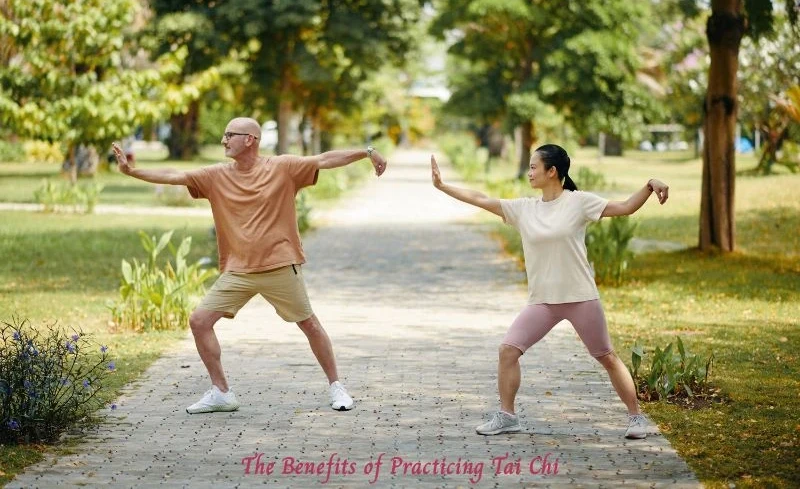
Tai Chi is a gentle, flowing form of movement that supports healthy aging, and today we’re taking a close look at The Benefits of Practicing Tai Chi — especially how it improves strength, balance, flexibility, and overall well-being for older adults.
It offers impressive health advantages for people of all ages — including seniors. In this post, we’ll explore the main tai chi benefits, how it supports balance and flexibility, and why tai chi for older adults has become one of the most recommended low-impact exercises for healthy aging.
The Benefits of Practicing Tai Chi
Tai Chi (pronounced “tie-chee”) is often called “moving meditation”. Today it’s widely practiced as a slow, meditative form of movement. It involves gentle poses, smooth transitions, and deep breathing.
Because it blends slow, controlled motions with mindful breathing, as a result, it helps improve both physical and emotional health. Below, we explore the most meaningful tai chi benefits and what makes this practice ideal for seniors.
Tai Chi Benefits for Your Body and Mind
1. Better Balance and Fewer Falls
One of the greatest tai chi benefits is improved balance. This matters deeply for older adults because balance naturally declines with age. Tai Chi strengthens the ankles, legs, and core while improving body awareness.
Many studies show that practicing Tai Chi helps older adults experience fewer slips and falls. The movements strengthen stabilizing muscles and teach the body how to shift weight safely.
You may notice:
- Better posture
- Improved coordination
- More confidence when walking
Tai Chi teaches you how to shift your weight safely, react faster, and feel steady on your feet.
2. Improved Flexibility and Joint Comfort
Another major benefit is increased balance and flexibility. The movements gently lengthen the muscles and loosen stiff joints, which can reduce everyday aches.
Tai Chi gently stretches and lengthens the muscles, helping ease stiffness in the knees, hips, shoulders, and back. This makes it an excellent option for anyone managing arthritis or general joint discomfort.
People often find Tai Chi especially helpful for:
- Knee and hip stiffness
- Lower back discomfort
- Shoulder tightness
- Arthritis symptoms
It keeps the body mobile without strain — ideal for anyone who doesn’t enjoy high-impact exercise.
3. Gentle Strengthening for the Whole Body
Though slow and graceful, Tai Chi builds functional strength. Holding poses for only a few seconds, strengthens the legs, improves endurance, and tones your core, helping you move with more stability and energy throughout the day.
You might notice:
- Stronger thighs and calves
- Better support for your knees
- Increased overall stamina
Many older adults find they walk longer distances and move with more energy after just a few weeks.
4. Stress Reduction and Better Mood
Tai Chi is as good for the mind as it is for the body. Its slow flow and deep breathing activate the body’s relaxation response.
The Benefits include:
- Less stress
- Improved sleep
- Better mood
- Sharper focus
- A sense of calm and grounding
In a busy or stressful season of life, Tai Chi gives your mind space to breathe.
5. Supports Heart and Lung Health
Because Tai Chi gets the body moving at a gentle pace, it improves circulation and supports healthy breathing patterns. Studies show it can help lower blood pressure and may improve aerobic capacity over time.
This makes Tai Chi a wonderful option if you want a safe, heart-friendly exercise that doesn’t feel overwhelming.
Tai Chi helps circulation, encourages deeper breathing, and can help lower blood pressure. It’s a wonderful heart-friendly exercise that’s safe for beginners.
6. Perfect for Beginners and Older Adults
One reason tai chi for older adults is so popular is that anyone can start at any fitness level. It’s low impact, easy on the joints, and requires no equipment— just comfortable shoes and a little open space.
Tai Chi is ideal if you:
- Are new to exercise
- Prefer gentle routines
- Want to improve mobility
- Need a joint-friendly option
Plus, you can do it indoors, outdoors, or even at home by following beginner videos.
Different Styles of Tai Chi
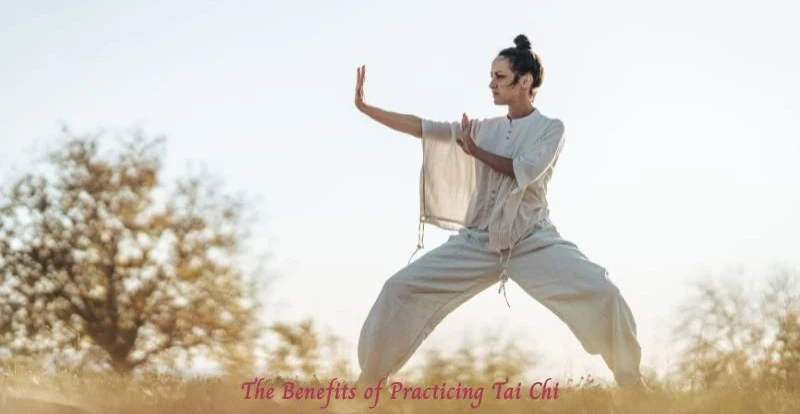
While there are several styles, the two most common for beginners are:
Yang Style
Slow, flowing, and ideal for beginners.
- Gentle, slow, and flowing
- Best for beginners and seniors
Sun Style
Soft, smooth, and especially recommended for older adults or anyone with joint challenges.
- Very soft and light
- Designed with older adults in mind
- Known for its shorter steps and easier transitions
Both offer excellent health benefits, so choose whichever feels comfortable.
How Often Should You Practice?
Just 10–20 minutes a day or a few sessions per week can make a noticeable difference.
Tips for getting started:
- Wear comfortable clothing
- Move slowly and naturally
- Avoid forcing movements
- Remember posture and breathing
- Focus on smooth transitions, not perfection
- Start with short routines or beginner-friendly video classes
Consistency matters more than duration.
Is It Safe for Everyone?
Yes! — Tai Chi is one of the safest exercises, especially for seniors. If you have vertigo, severe balance concerns, or osteoporosis, start with a chair-supported version or speak with your doctor first.
The Bottom Line
Practicing Tai Chi is a simple, enjoyable way to support your health — especially as you age. The tai chi benefits for balance and flexibility make it one of the most effective exercises for healthy movement, while the calming, slow-paced nature makes it ideal tai chi for older adults.
Tai Chi strengthens the body, steadies the mind, and gives you more confidence in daily life. It’s gentle, relaxing, accessible — and it’s never too late to start!
Tai Chi Walking
The Benefits of Practicing Tai Chi
When you look at all The Benefits of Practicing Tai Chi, it’s clear why this ancient practice has become so popular among older adults. It improves balance and flexibility, strengthens muscles, calms the mind, and boosts overall confidence in daily life. Tai Chi is simple, gentle, and accessible — and it’s never too late to begin.
Disclaimer: If you have any concerns or questions about your health, you should always consult with a physician or other healthcare professional. No content on this site should be substituted for direct medical advice from your doctor or other qualified healthcare practitioner. The information contained here is for informational purposes only. It is from my research and personal experience.
Related Posts
Find the Workout You’ll Stick With